
Commercial Director Talks About Making Food Feel Craveable, Embracing ‘Perfectly Imperfect’ Visuals, And Why The Best Food Advertising Doesn’t Chase Trends
Lord Danger
Food advertising has always been about making people hungry. But the craft of making a burger, pizza, beverage, or snack look irresistible is changing as rapidly as the media landscape around it. Today’s food filmmakers aren’t just creating a :30 television spot. They’re thinking about vertical video, social cutdowns, e-commerce, retail, OOH, and a growing ecosystem of content; all while finding new ways to make products stand apart in a crowded visual landscape.
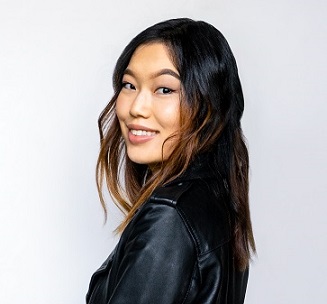
For Michelle Pak, a commercial director at Lord Danger, the award-winning creative content studio based in Los Angeles, that challenge begins with the product itself. With a background in industrial and product design, Pak approaches tabletop filmmaking with an understanding of form, function, audience, and the details that make something distinctive. Her goal isn’t simply to make food look perfect, but to create imagery that makes it feel real, desirable and worth craving.
We spoke with Pak about how social media has changed the way food campaigns are conceived and shot, why ‘perfectly imperfect’ may be the new standard for authenticity, and how influences from music videos, fashion and editorial photography are giving tabletop work a fresh visual language.
Q&A
1. Traditionally, food commercials have always been about making products look delicious. How has that craft evolved in the age of TikTok, Instagram, and YouTube Shorts?
I actually think social content and tabletop direction are trying to do two very different things. With Instagram, TikTok, and influencer content, the product often isn’t the hero, the person is. The brand is leveraging someone’s personality or credibility, so if Chrissy Teigen says this pizza is amazing, you’re interested because she’s recommending it. With tabletop, the product itself is the star. Our job is to put it on a pedestal and make people crave it through lighting, camera movement, texture, and all the tiny details that make food feel irresistible. It’s less about who is holding the product and more about creating a visual experience that makes you want to reach through the screen.
That said, social has definitely influenced how we think about the work. It’s no longer enough to make a great :30 and figure out social later. We’re thinking much earlier about how those moments translate into a compelling :06 or other bite sized pieces. It’s also changed the way I approach production. I’m thinking about different aspect ratios from the very beginning, how a shot will play in 16:9 versus 9:16 or 1:1, where the product sits in frame, and how we can compose shots so they work across multiple platforms. Social is no longer afterthought anymore. For many its the main source of entertainment and information so i think its important that its part of the creative conversation from the beginning because that’s such a huge part of how people discover and engage with brands today.
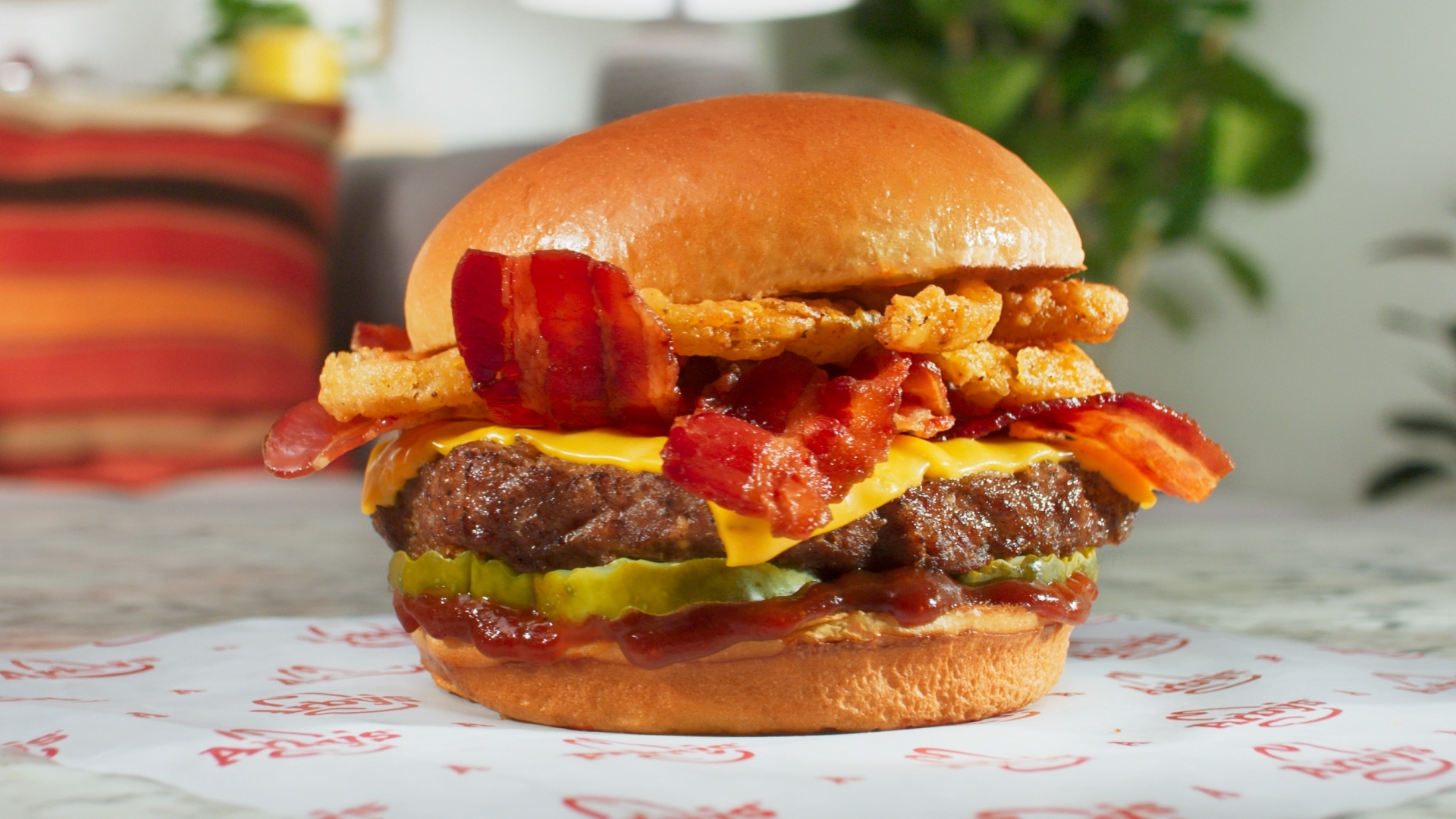
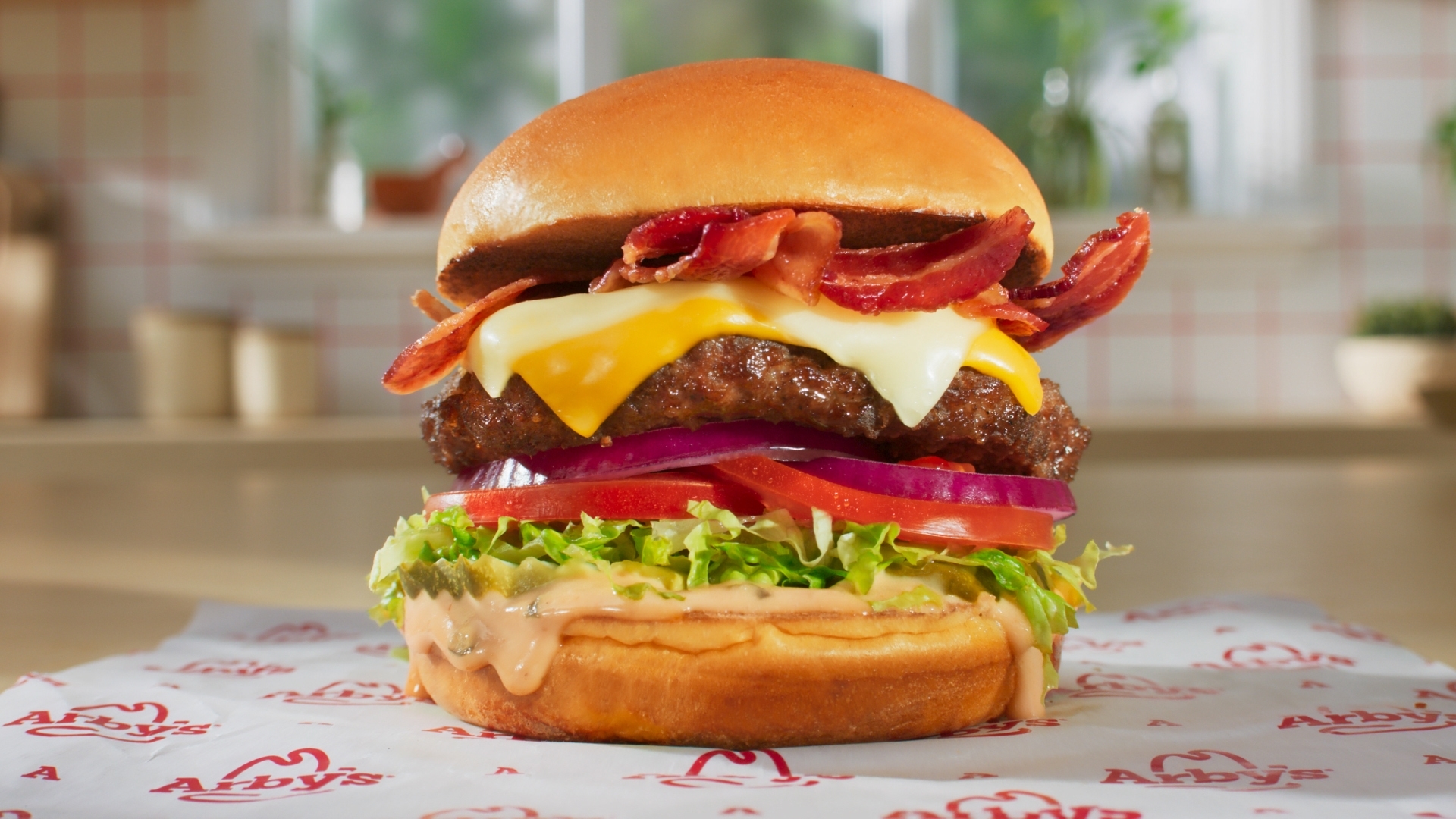
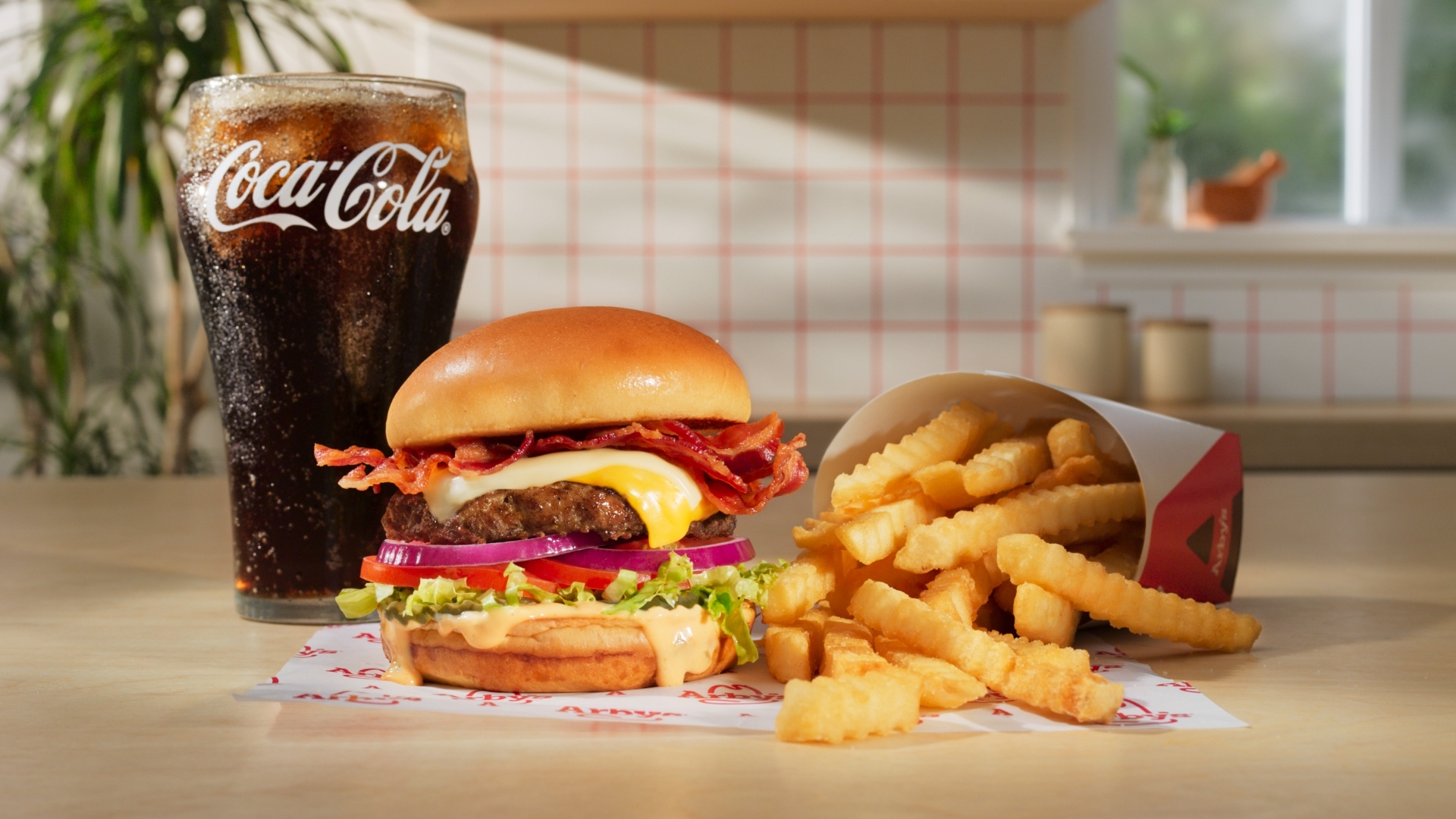
2. Looking at your reel, you’ve shot everything from sandwiches to beverages and snack foods. Is there a universal rule for making food look craveable on camera, or does every product present a different challenge for you?
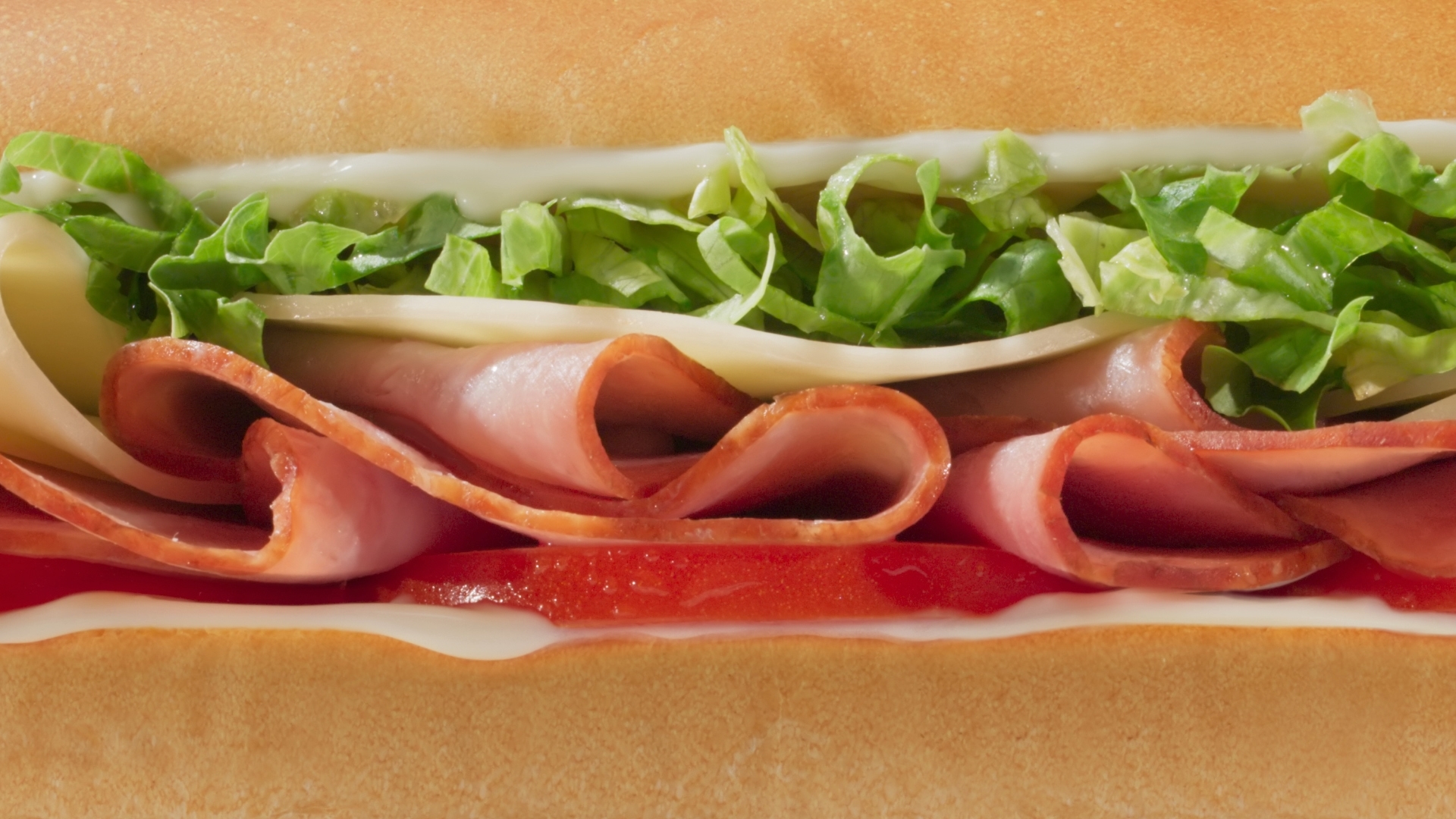
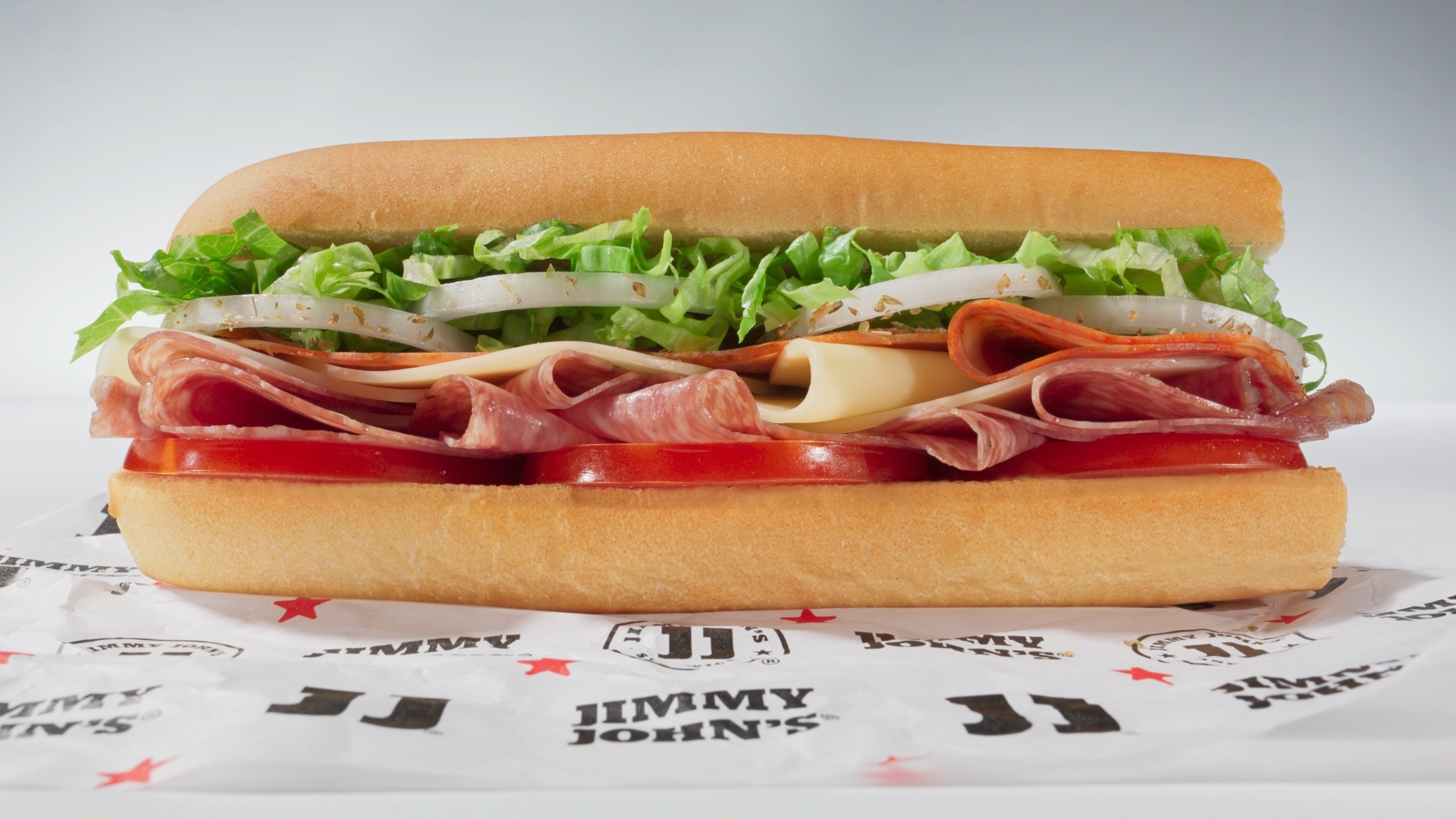
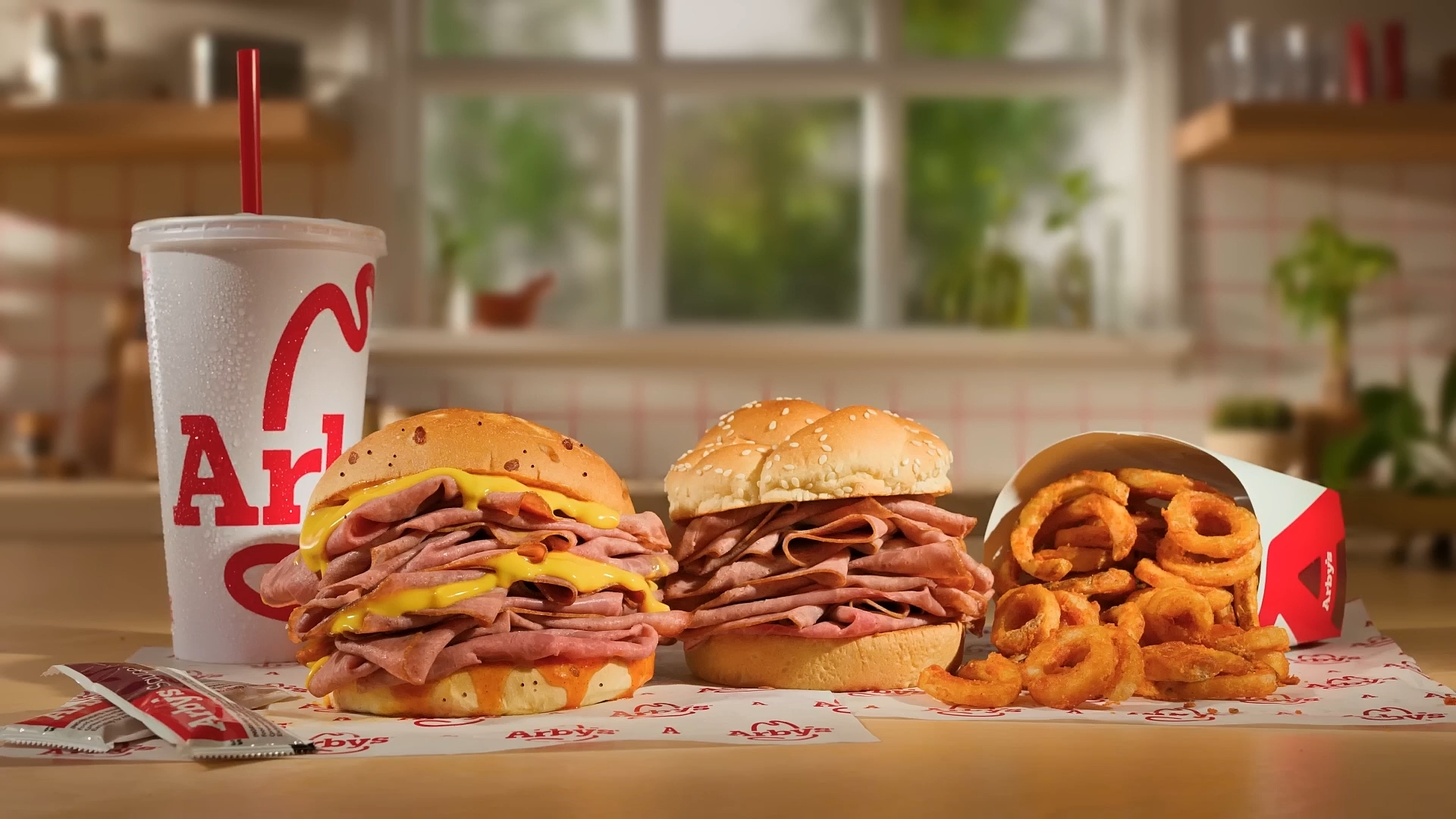
A big part of the job is understanding what the brand wants people to fall in love with. Every product has a feature that’s meant to trigger that craving, and once we identify it, everything else is designed to support it. So it’s a unique challenge every time and it’s less about following a formula and more about understanding what makes that particular product special, then finding the most compelling way to bring that feeling to life. It’s a unique challenge every time.
3. Consumers have become incredibly savvy about “food styling.” Everyone has seen an ad and thought, ‘no way it looks like that.’ How do you create beautiful imagery while still making the product feel authentic?
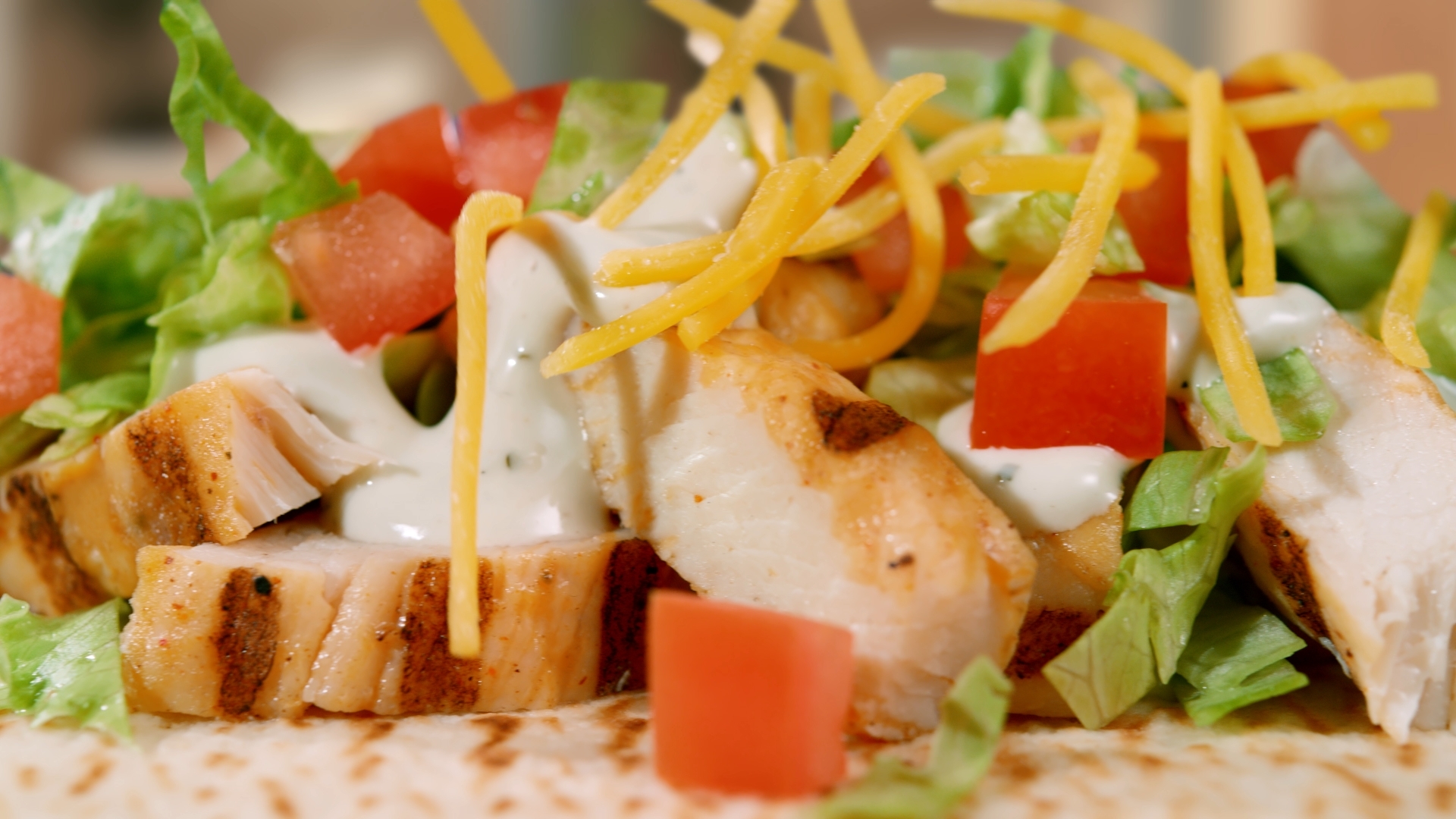
I always say I like things to feel “perfectly imperfect.” I love that we’ve moved into a space where authenticity is embraced, and those little imperfections actually make food more appealing. That’s not to say it should be messy, but if there’s a slight crack in the bun or the sauce drips naturally down the side of the sandwich, those details make it feel real. Especially now, in a world where AI can generate an impossibly perfect burger or pizza, I think people are craving the opposite. They want to feel like a real person made it, and enjoyed it. I think those subtle imperfections create trust. They remind you there’s an actual product behind the image. My job is still to make the food look its absolute best, but the goal isn’t perfection for perfection’s sake. It’s finding that balance where the food is aspirational but still feels believable enough that you want to order it.
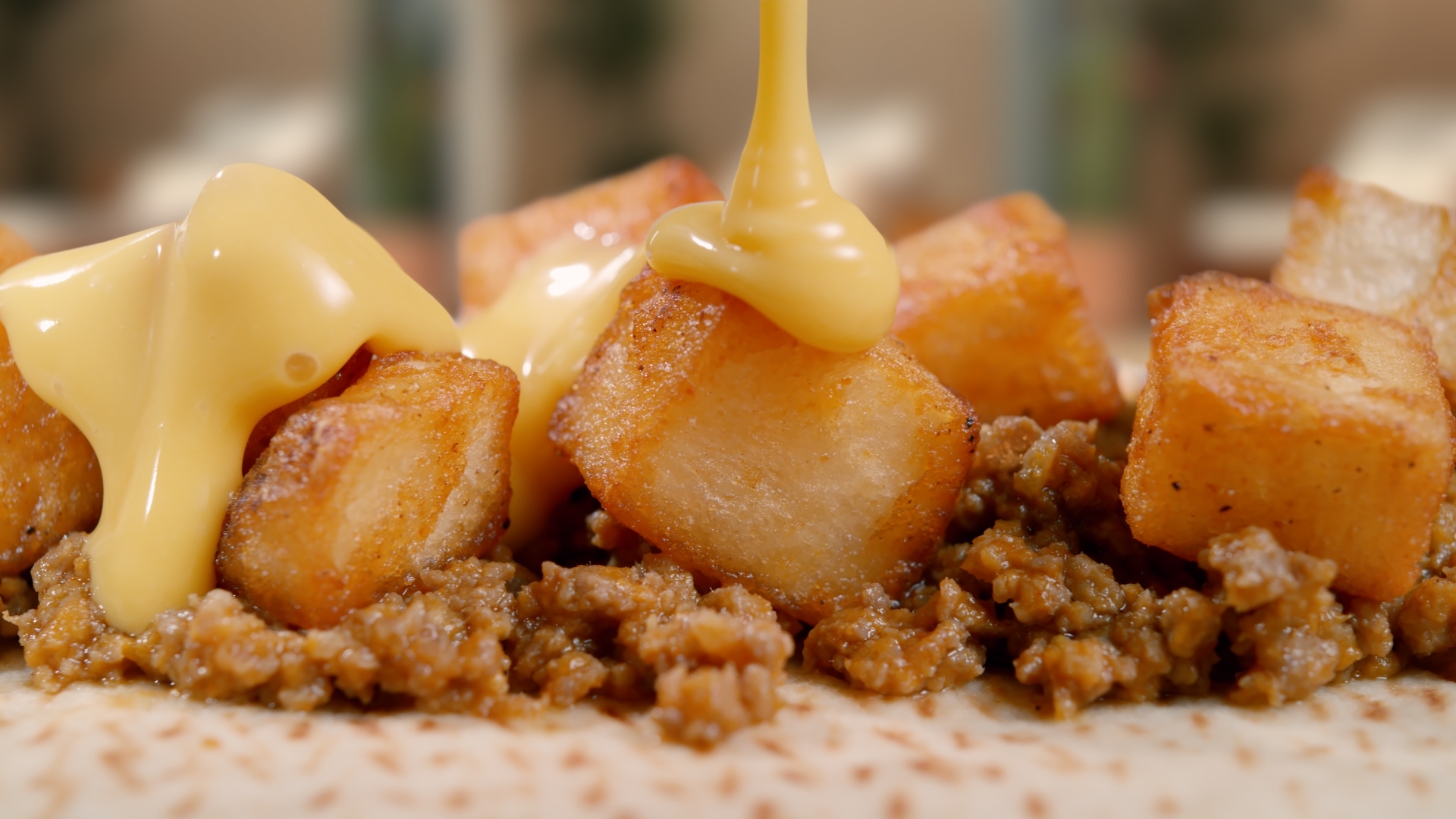
4. I’m curious about your background in industrial design and tabletop filmmaking rather than traditional filmmaking. How does that influence the way you approach your work?
I studied product and industrial design, and that gave me a really strong foundation in understanding form, function, and space. Whether we were designing furniture, electronics, or footwear, the goal was always to create something that was both functional and aesthetically compelling. We were constantly analyzing why products were designed the way they were and who they were designed for. I apply that same way of thinking to tabletop. Before I ever think about camera movement or lighting, I want to understand the product itself, what makes it unique, what the brand wants people to notice, and what makes consumers connect with it. From there, it’s about finding the most ownable and visually interesting way to bring those qualities to life.
Studying product design also taught me that understanding who the product is for is just as important as understanding the product itself. I love crafting the story around it. Are we telling a build story or an enjoyment story? Where does this moment take place? Who are we speaking to, and what will make them relate to it? Those are the questions I ask at the start of every project because they shape every creative decision that follows.
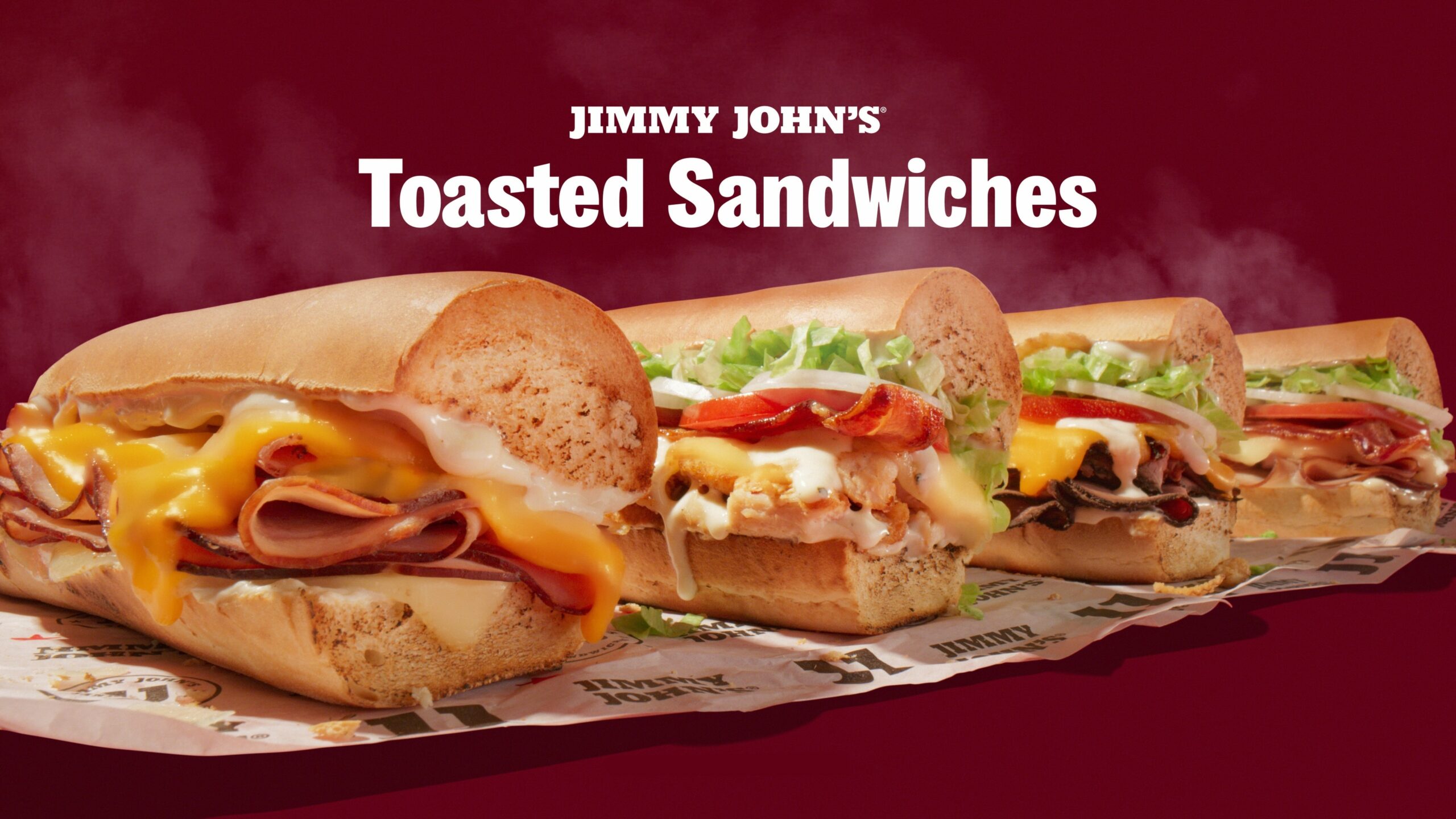
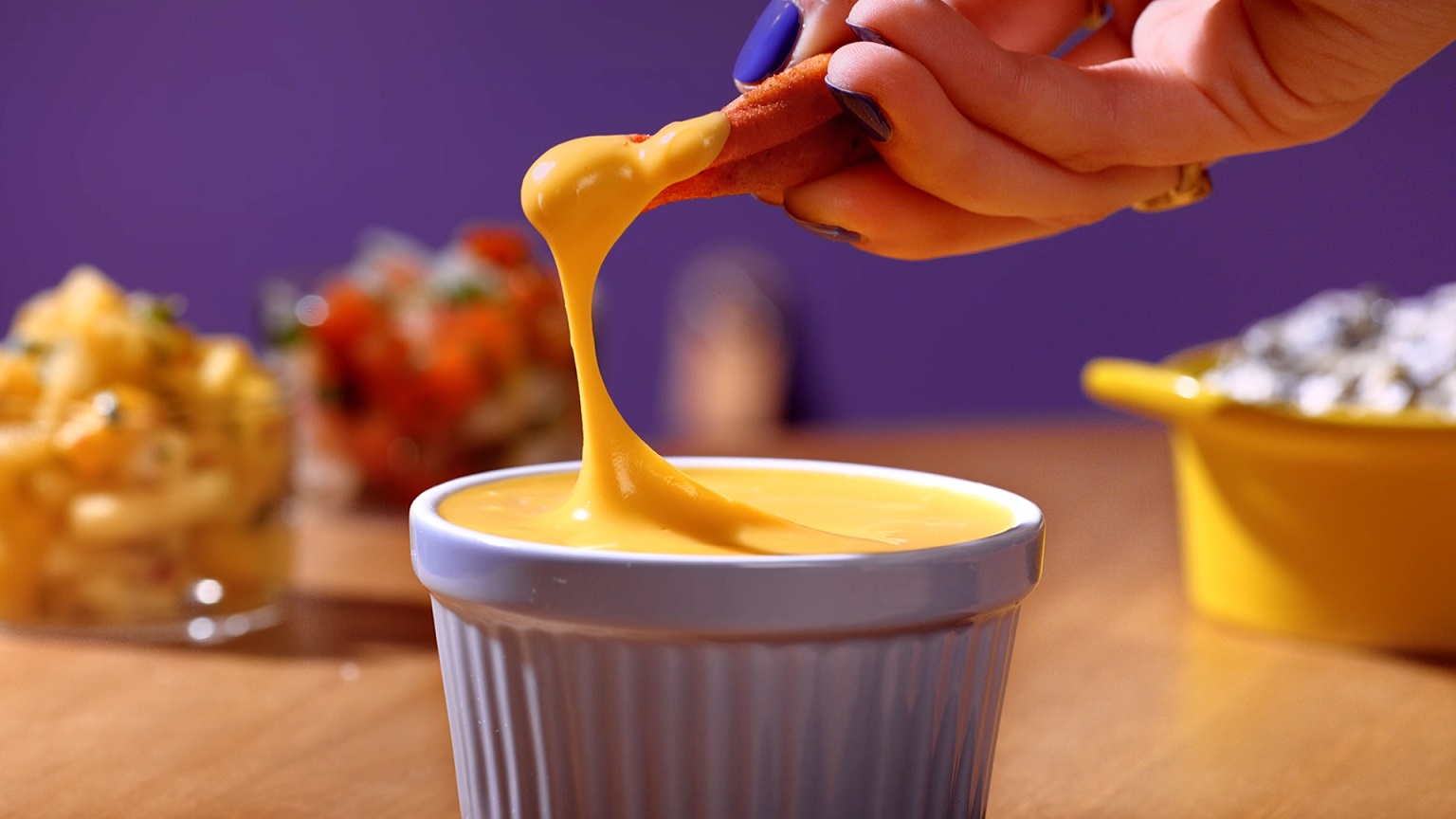
5. The story out of Cannes was all about content creation. Many brands, not just food, are asking for multiple assets they can use across television, social, digital, retail and e-commerce all at once. Does that change the way you plan and shoot campaigns?
I think it’s shifted from thinking about individual deliverables to thinking about the campaign as a whole. A client may come to us asking for a :15, but that’s really just one piece of a much larger ecosystem. I’m always thinking about how the visual language can extend beyond that one spot. How does this idea translate to social? Could it become an OOH billboard? Could elements of it carry into retail or even swag?
Not every client asks for that upfront, but I think it’s part of our responsibility as creative partners to think beyond the deliverables list. If we can build an idea that’s flexible enough to live across multiple touchpoints, we’re creating more value than just delivering a single spot. I love when every touchpoint shares the same creative DNA. It makes the whole campaign feel intentional, like every piece belongs to the same family. That’s what makes a campaign feel cohesive.
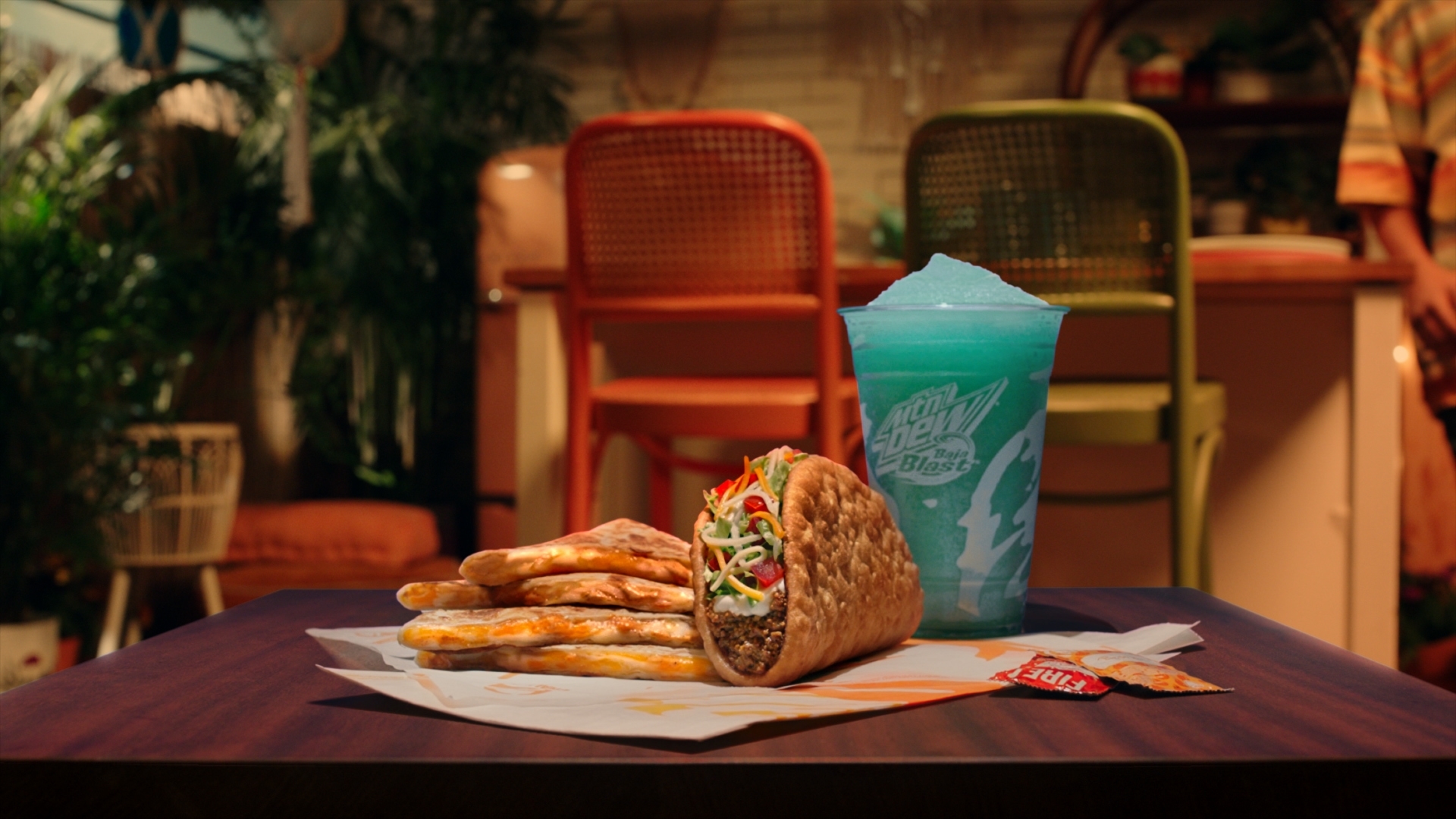
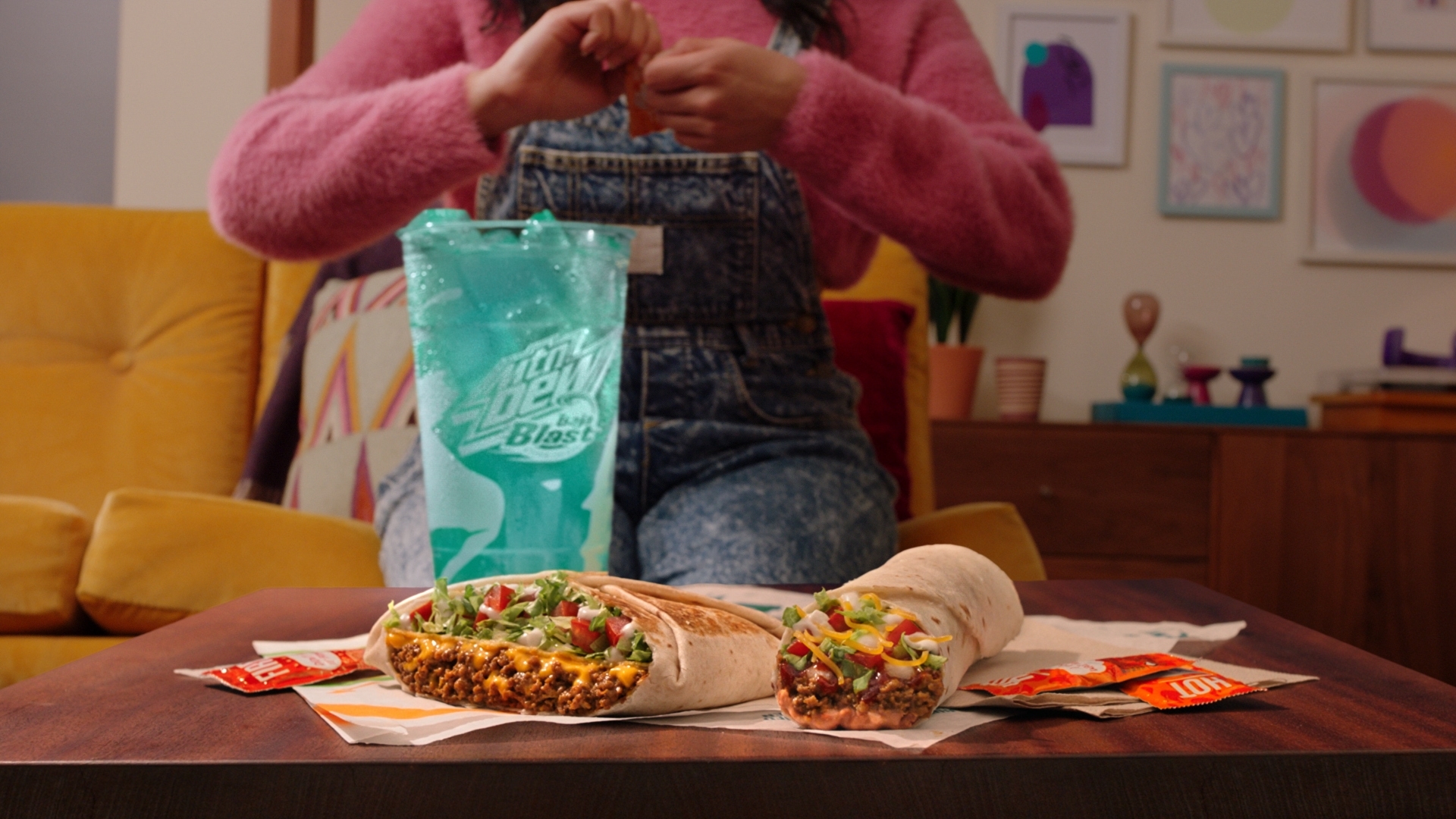
6. Are there visual trends in food advertising you’re excited about? What ones do you think have run their course
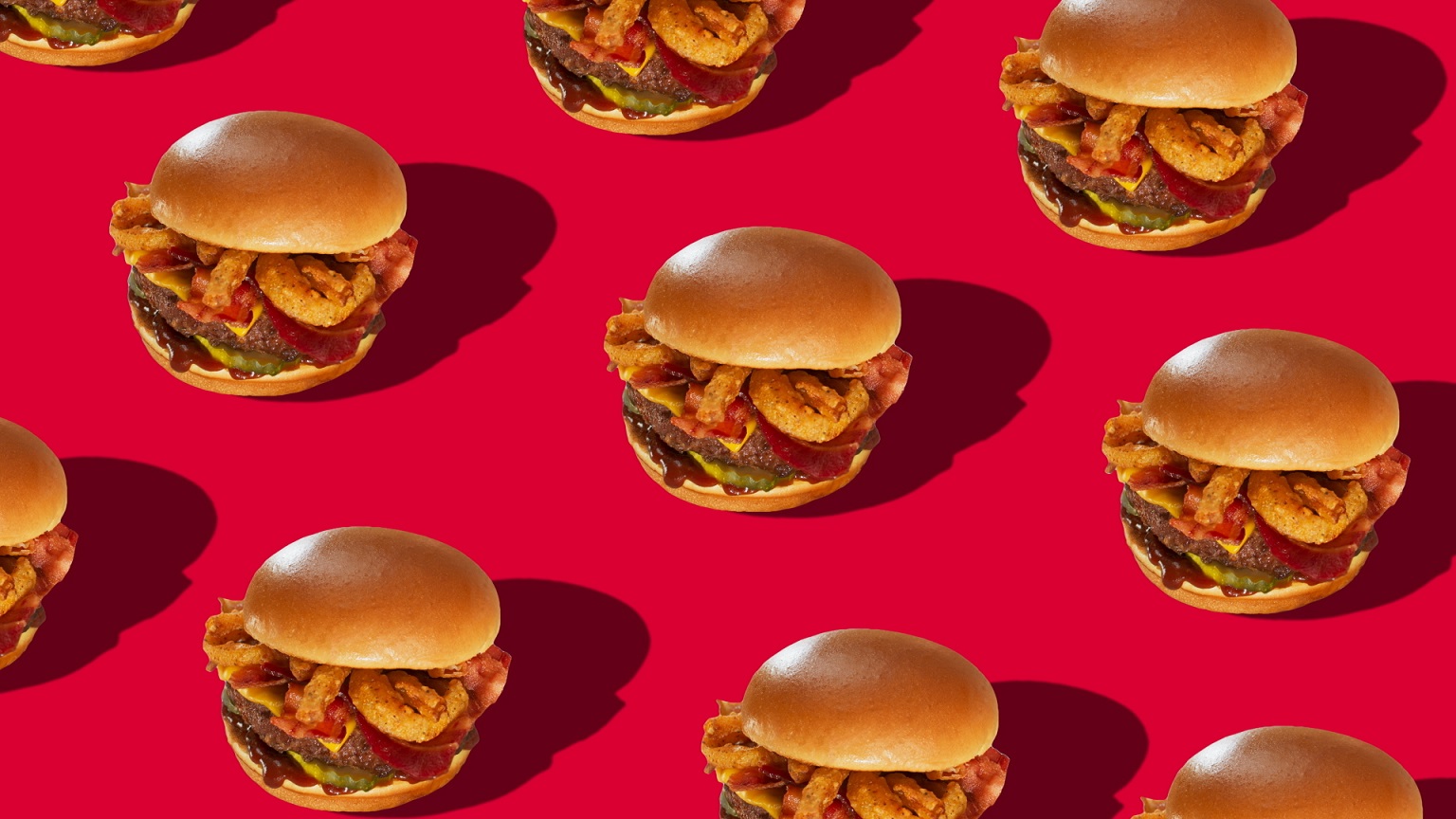
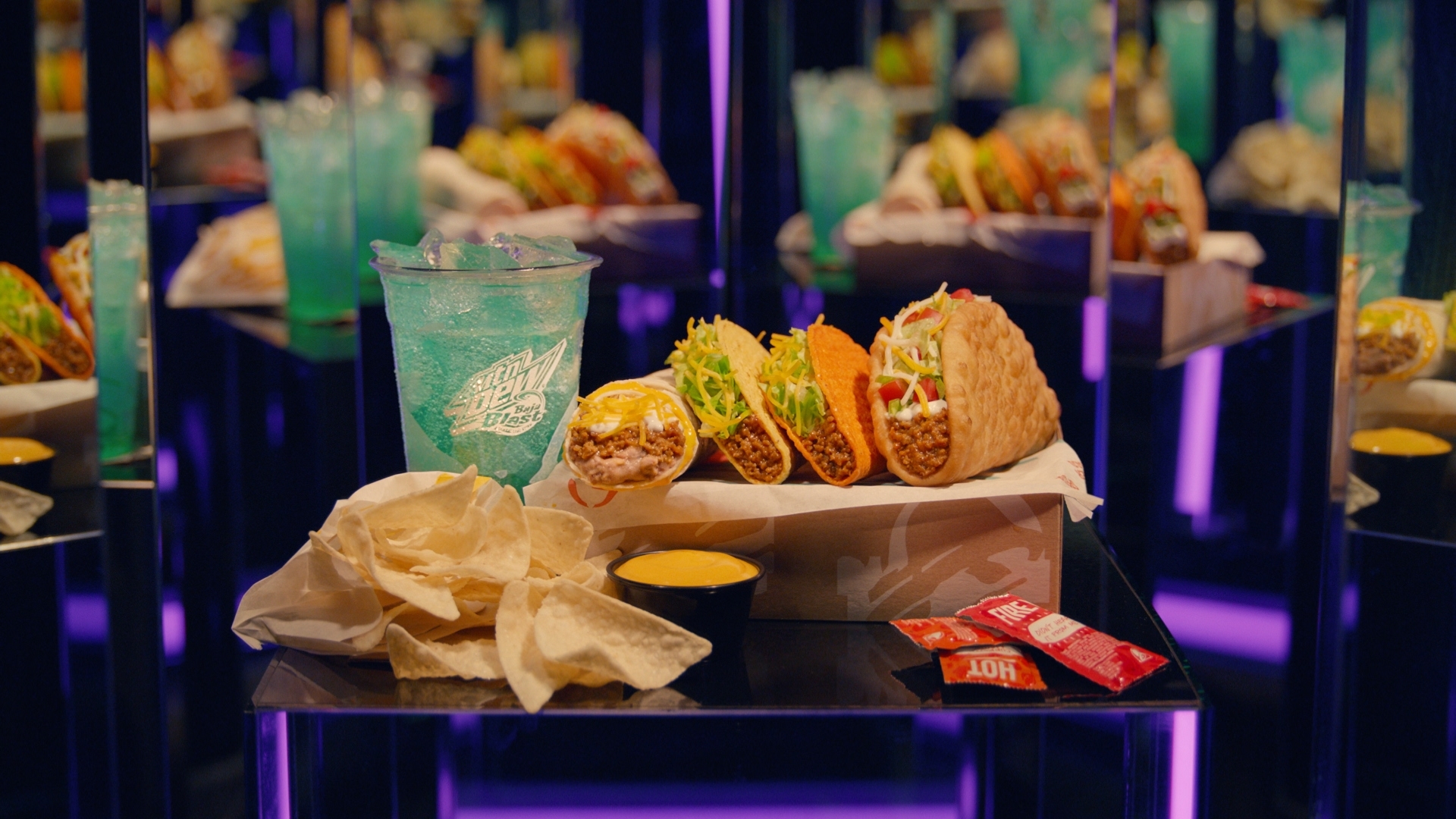
I’m excited that tabletop has become a lot more playful. People are realizing that food can borrow inspiration from anywhere. Why can’t a burger campaign feel like a music video? Or take cues from fashion, editorial photography, or use unexpected transitions and camera techniques? Those influences bring so much personality to the work. I love that brands are becoming more open to pushing the visual language and giving food campaigns a little more flavor and personality. If there’s something that’s run its course, it’s the idea that every food commercial has to look the same. Every brand has its own voice, and I think audiences respond when the creative reflects that instead of relying on a formula. To me, that’s where the most memorable work comes from.
7. If you could give one piece of advice to food CMOs trying to make consumers stop scrolling, what would it be?
Don’t chase trends, chase what makes your brand unique.
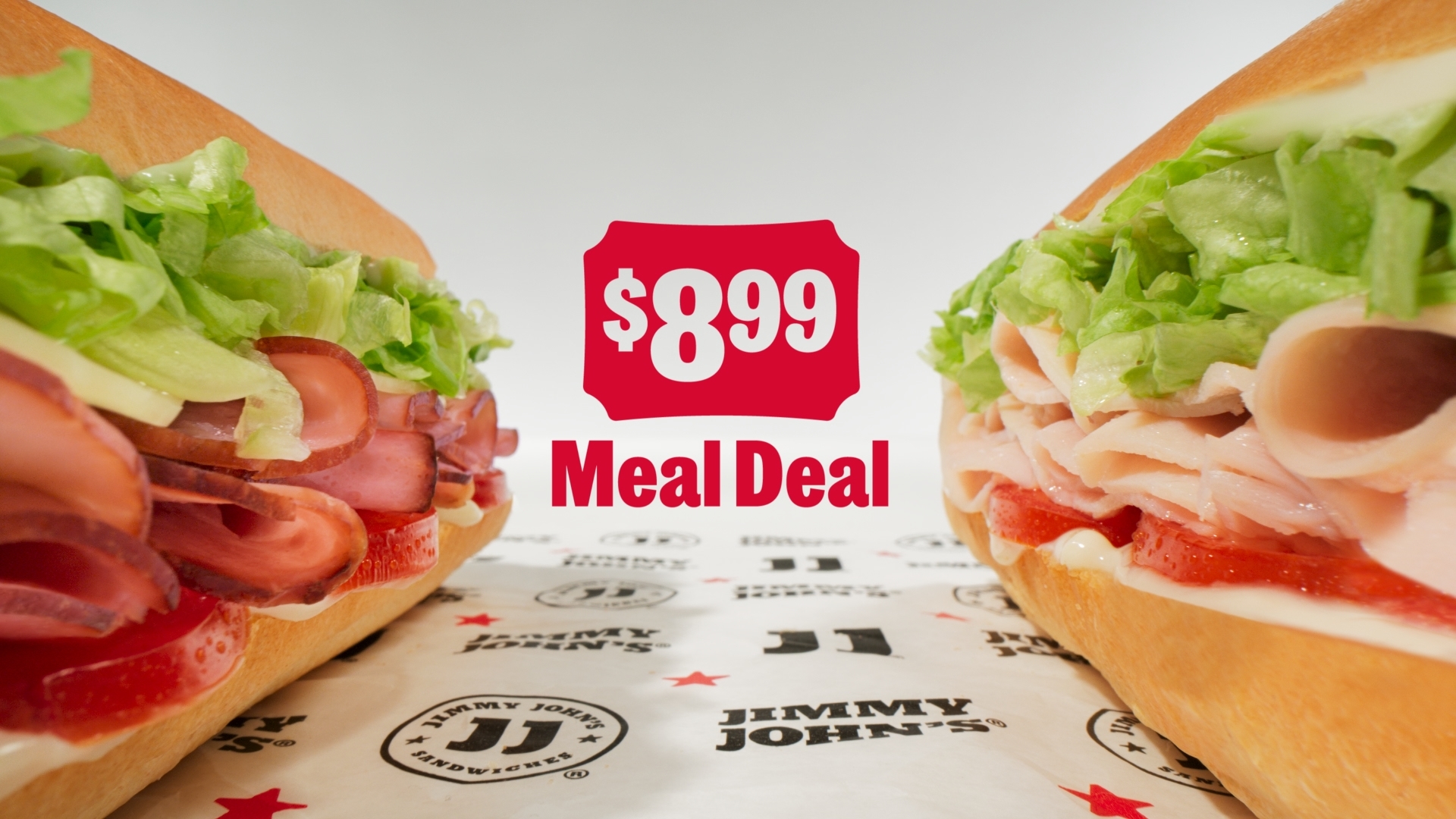
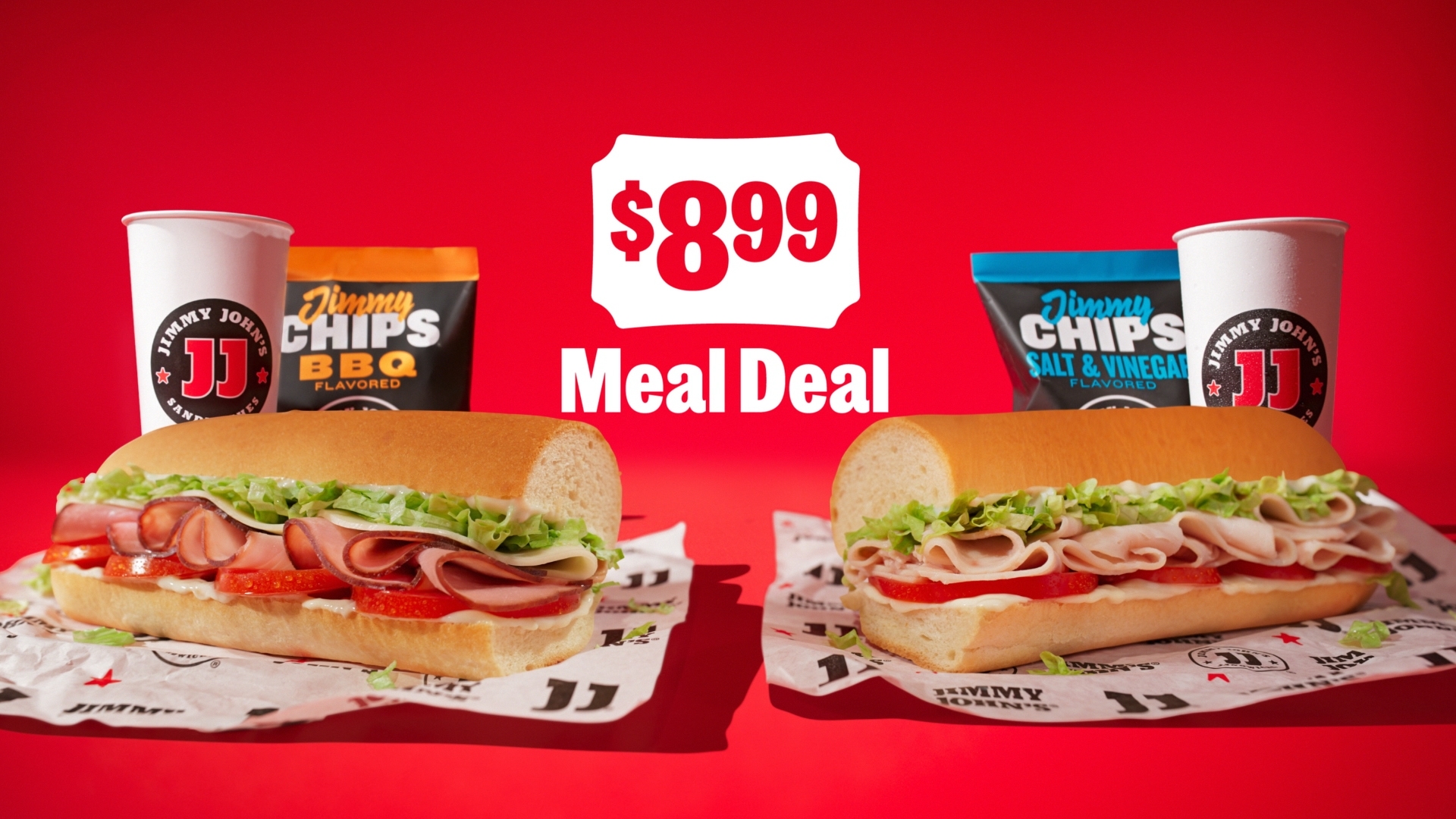
Ad Directed for Jimmy John’s by Michelle Pak
Michelle Pak is Commercial Director at Lord Danger
Source: Lord Danger
You must be logged in to post a comment Login