
Why the world’s most expensive spice is worth the hype, and how to experience it without breaking a sweat
Historically, saffron has been called “red gold,” and at certain points it has even sold for more per gram than gold itself.
Today it still sits among the most expensive ingredients on the planet. The difference is that you do not need to stand in a muddy river with a pan to catch some. You can watch it arrive from the fields in Provence, straight onto your plate.
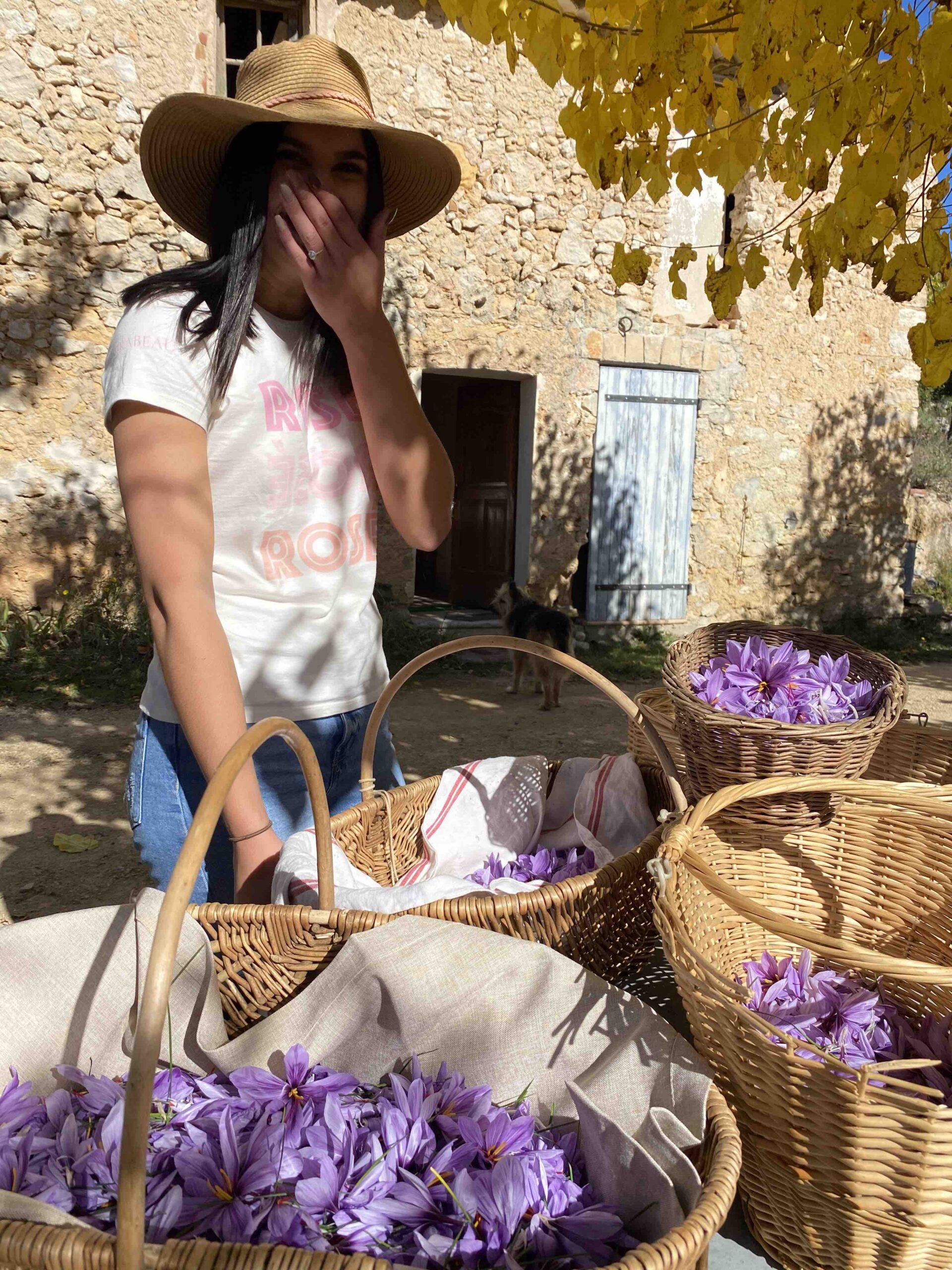
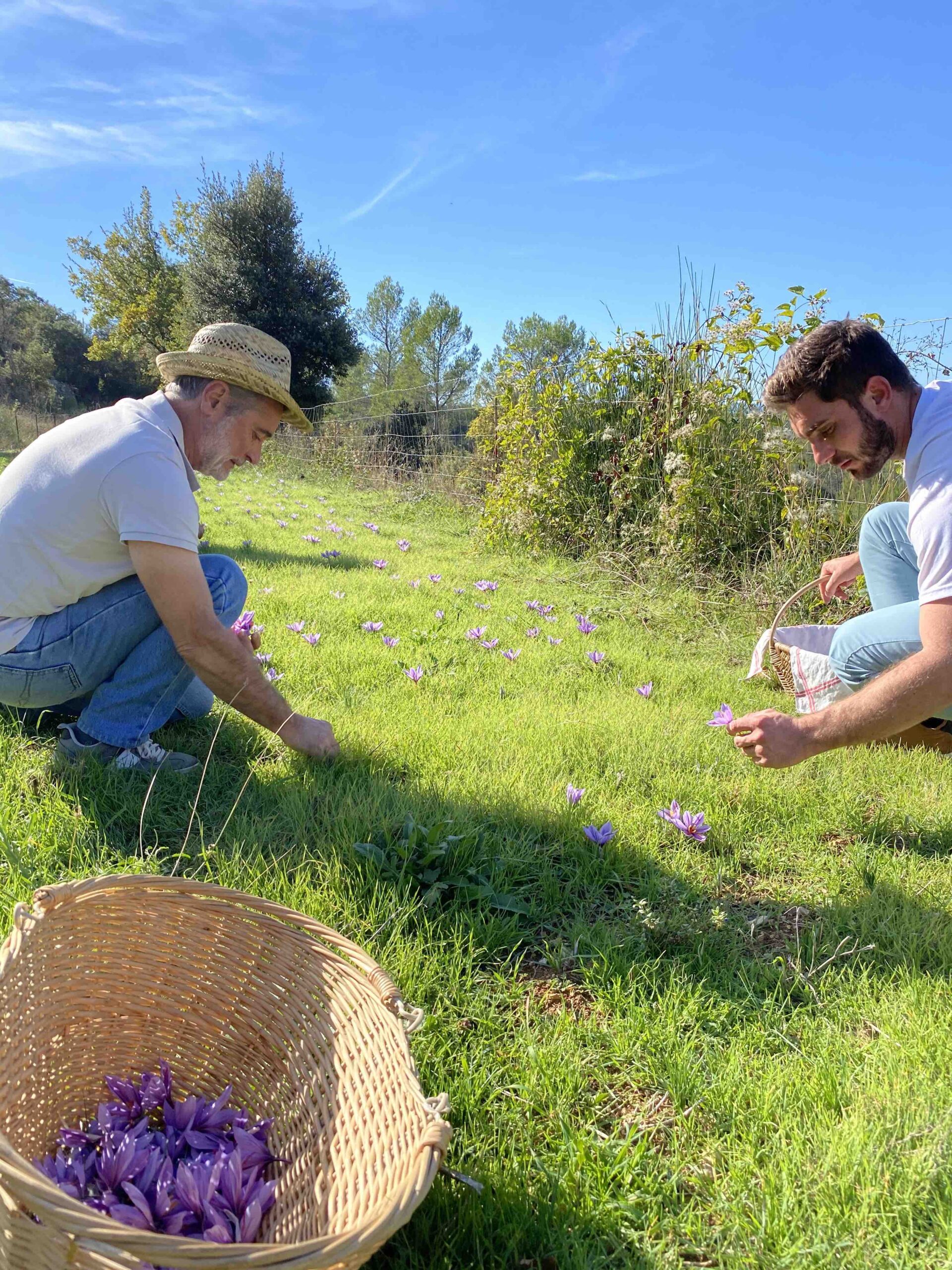
That labour is why saffron commands its price, and why Provence treats the season as something special. In and around Cotignac you will see it used with restraint. A few threads are enough to infuse a broth, lift a fish jus, or give warmth to a simple rice or potato dish. The flavour sits somewhere between floral, honeyed and slightly metallic, and it colours sauces a soft gold.
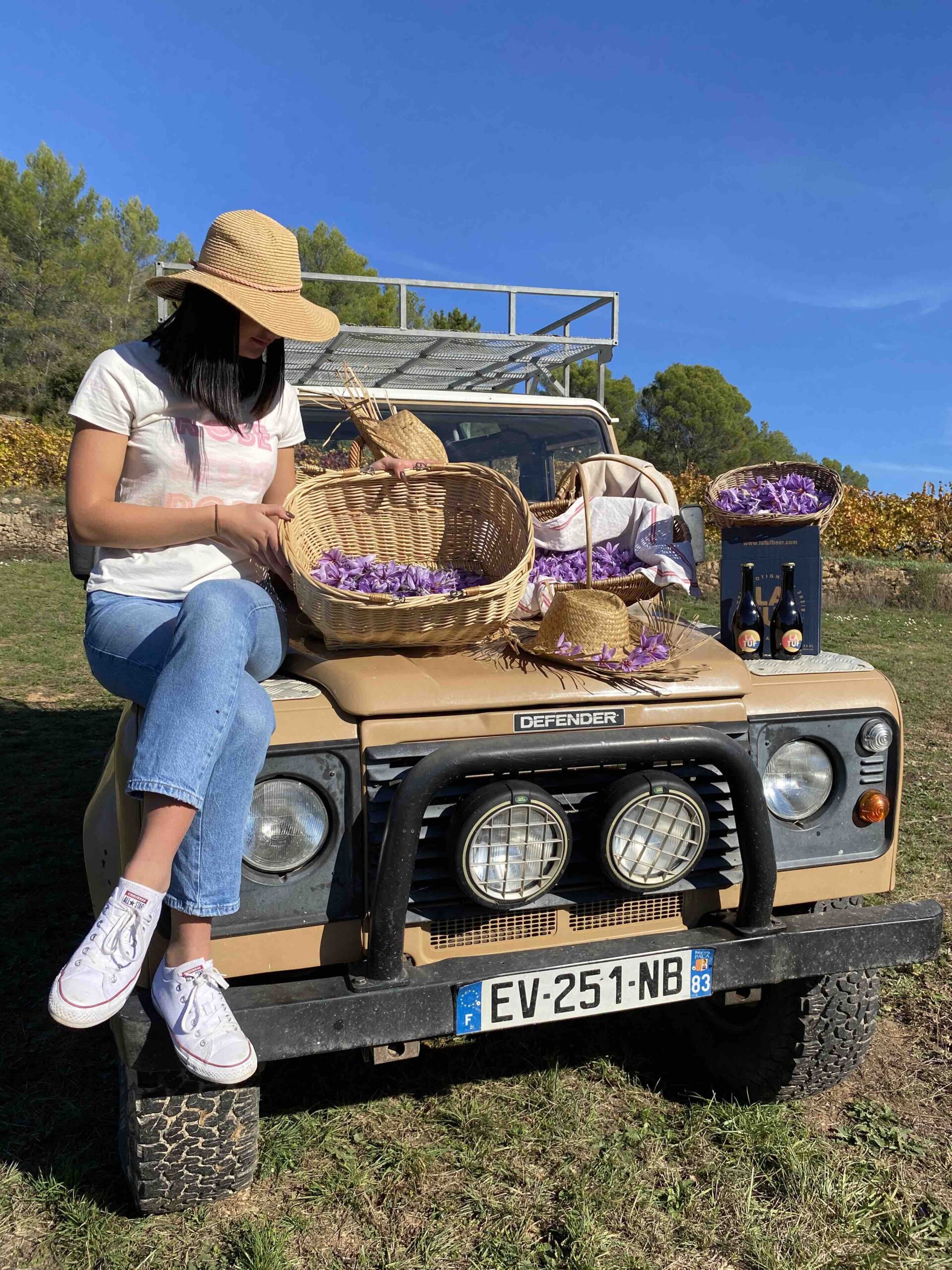
If you want to understand saffron beyond the plate, you can. Late October through mid November is harvest time, and producers in the area are happy to explain the process. You will learn why the stigma must be dried the same day, how storage affects potency, and why buying whole threads is better than buying powder. You will also learn what most cooks never see: the difference between a thread that still carries the scent of the flower and one that has sat on a shelf for months.
Practical notes for visitors:
- Best window: late October to mid November
- What to expect: cool mornings, clear light, quieter markets, and kitchens cooking with roots, greens and early citrus
- How to taste it at its best: book dinner at Le Jardin Secret during the November season and ask about saffron-led plates that evening
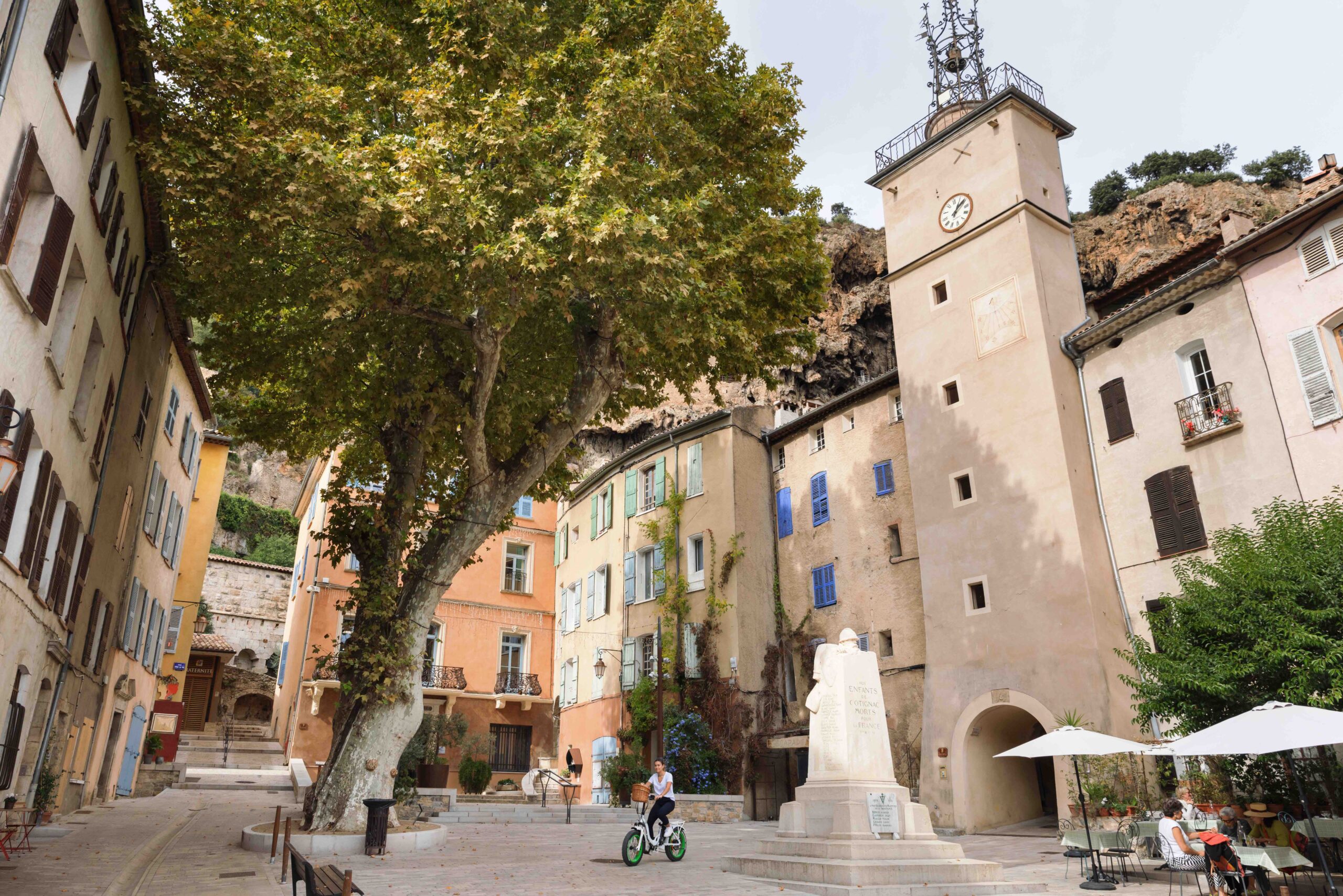
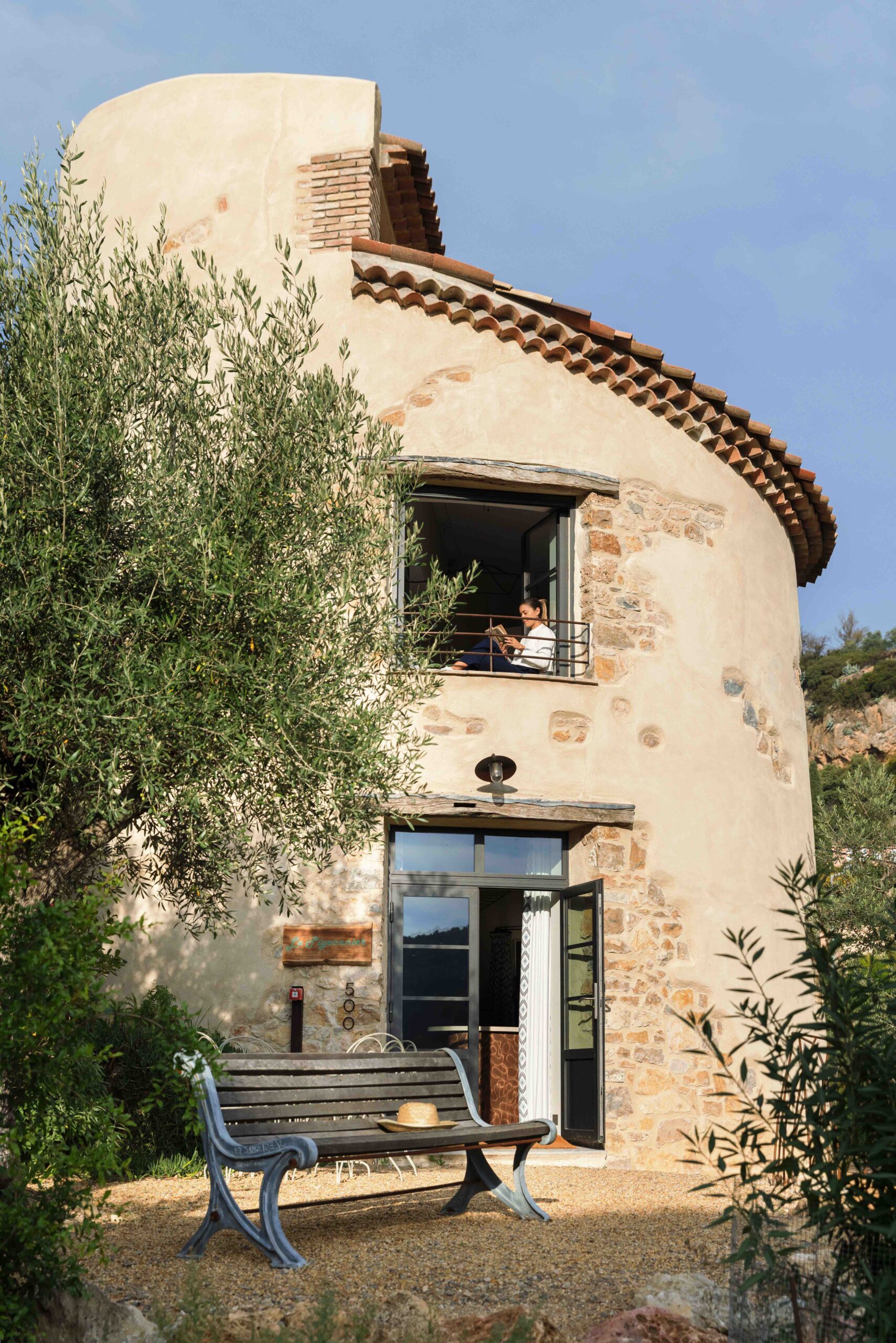
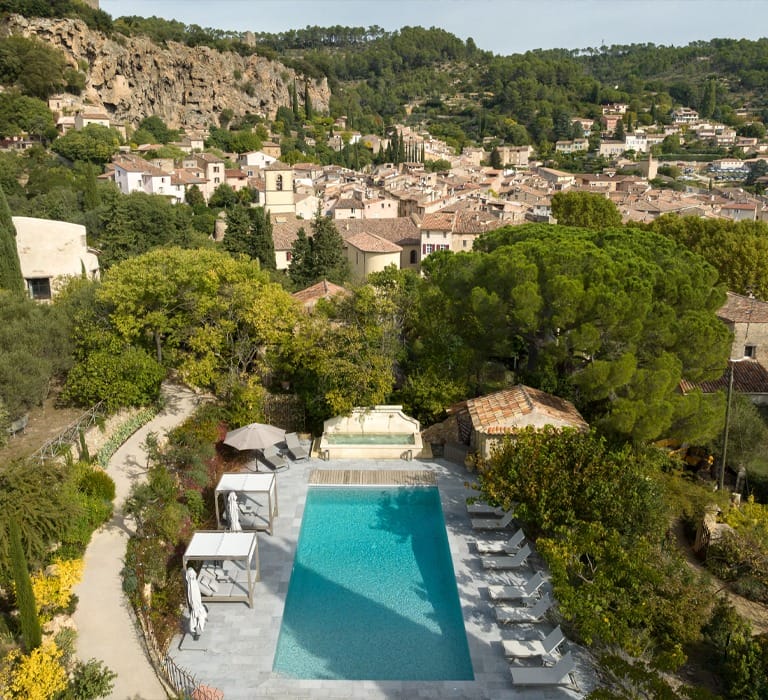
Saffron season in Provence is not a spectacle. It is work done carefully, then expressed simply on the plate. If you come for it, you are not coming for a show. You are coming for accuracy, restraint and a flavour that only makes sense when it is this fresh.
Source: Lou Calen
You must be logged in to post a comment Login